
 Faiq
Faiq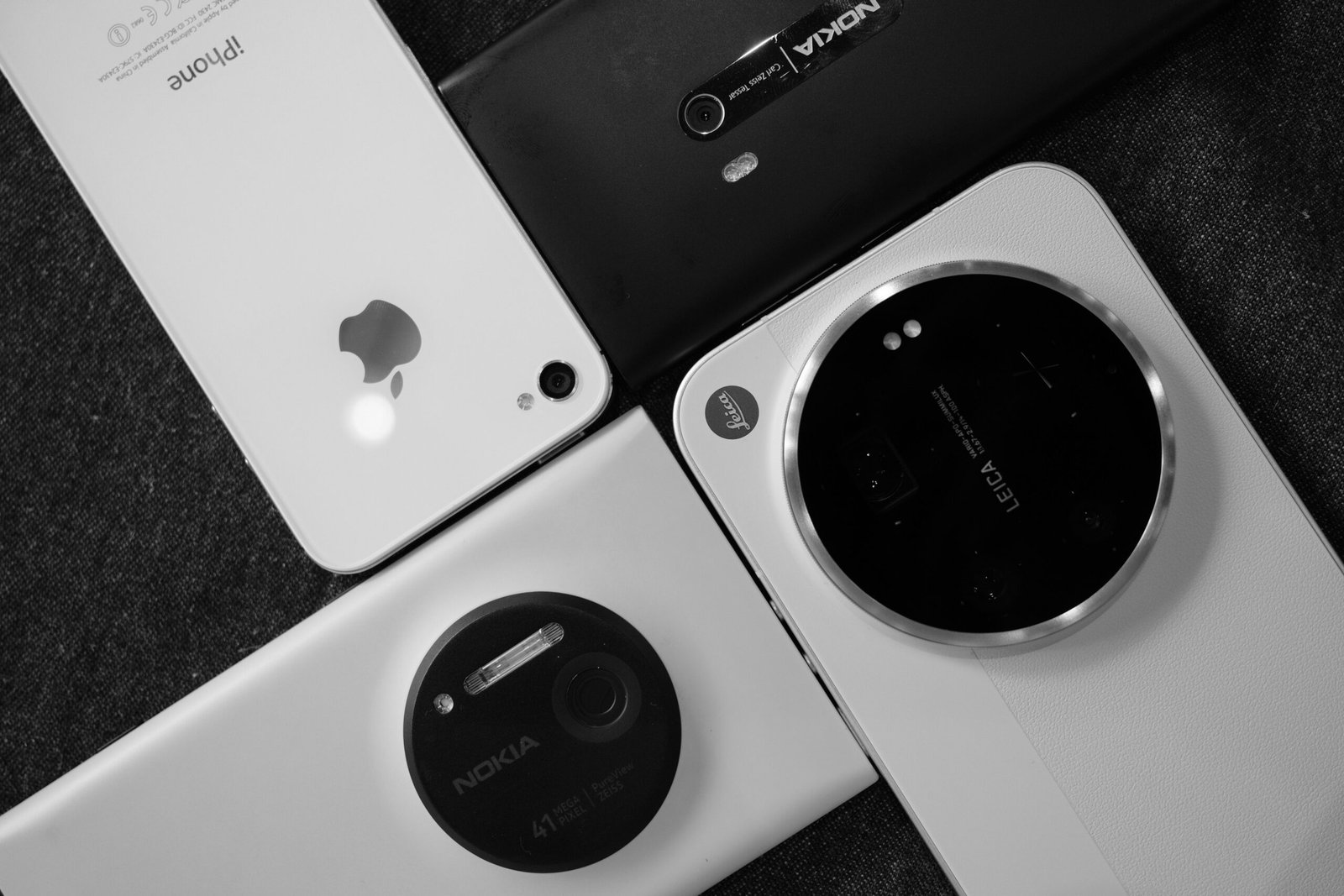
Buying a new phone in 2026 isn’t as simple as picking whatever’s trending on social media. Prices have climbed,
battery technology has finally caught up to expectations, and the gap between a €300 phone and an €1,000
flagship is smaller than most brands want you to believe. This guide breaks things down by what actually
matters — not marketing buzzwords.
What Changed in Smartphones This Year
Two shifts stand out in 2026. First, battery life has genuinely improved thanks to silicon-carbon battery cells,
which are now common even in mid-range phones — meaning two-day battery life is no longer a flagship-only
feature. Second, on-device AI features (photo editing, real-time translation, call summaries) have become
standard rather than a premium add-on, which matters a lot for anyone travelling across Europe and dealing
with multiple languages.
Best Overall Smartphone
For most buyers, the sweet spot right now is a phone in the €600–€750 range. At this price, you get a flagshipgrade camera system, fast charging, and software update guarantees of 5+ years — which matters more for
resale value than most buyers realise. Look specifically for phones offering at least 4 years of OS updates;
anything less is a false economy.
Best Budget Smartphone (Under €300)
The budget segment has improved dramatically. A well-reviewed sub-€300 phone today easily outperforms a
€600 phone from three years ago. The main compromises are usually camera low-light performance and build
material (plastic instead of glass/metal) — both liveable trade-offs for most everyday users.
Best Camera Phone
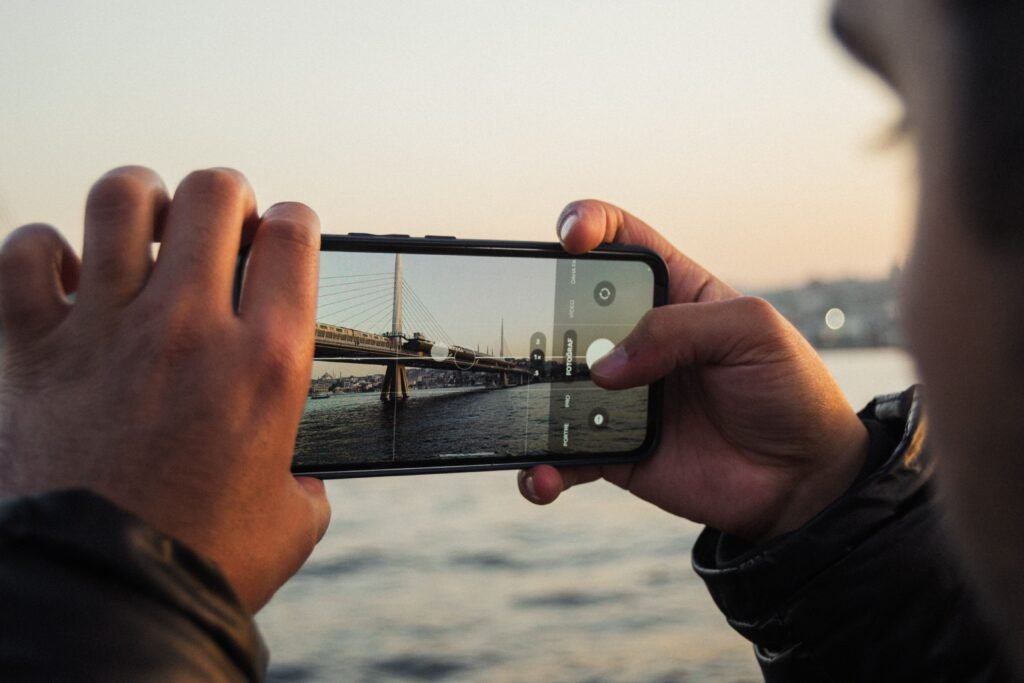
If photography is your priority, prioritise sensor size over megapixel count — a common marketing trick. A
50MP sensor with a larger physical size will consistently outperform a 200MP sensor crammed into a smaller
module, especially in low light, which is where most real-world photos in Europe’s shorter winter daylight hours
actually get taken.
Best Battery Life
For genuine two-day usage without charging, look for a battery capacity of 5,500mAh or higher combined with
an efficient chipset. Pay attention to charging speed too — 65W+ wired charging can take a phone from empty
to 100% in under 40 minutes, which matters more day-to-day than raw battery size.
Key Factors Before You Buy
- Software update policy: Aim for at least 4-5 years of guaranteed updates.
- Repairability: Check the repairability score — several European retailers now display this at point of sale.
- Network bands: Confirm compatibility with your local carrier’s 5G bands before importing a phone from
- outside the EU.
- Warranty: EU consumer law guarantees a minimum 2-year warranty on new electronics — always confirm
- this applies to your purchase.

Final Verdict
There’s no single “best” phone for everyone — the right choice depends on whether you value camera quality,
battery life, or price above the rest. But the good news for 2026 buyers is that even mid-range and budget
phones now deliver a genuinely reliable experience, so you no longer need to overspend to get a phone that
lasts.
